Want to learn more about ALSO? Sign up for our virtual tour.

Want to learn more about ALSO? Sign up for our virtual tour.
ALSO’s Behavior Support Services help people with intellectual and developmental disabilities (I/DD) build greater stability, connection, and confidence in daily life through proactive, person-centered Positive Behavior Support.
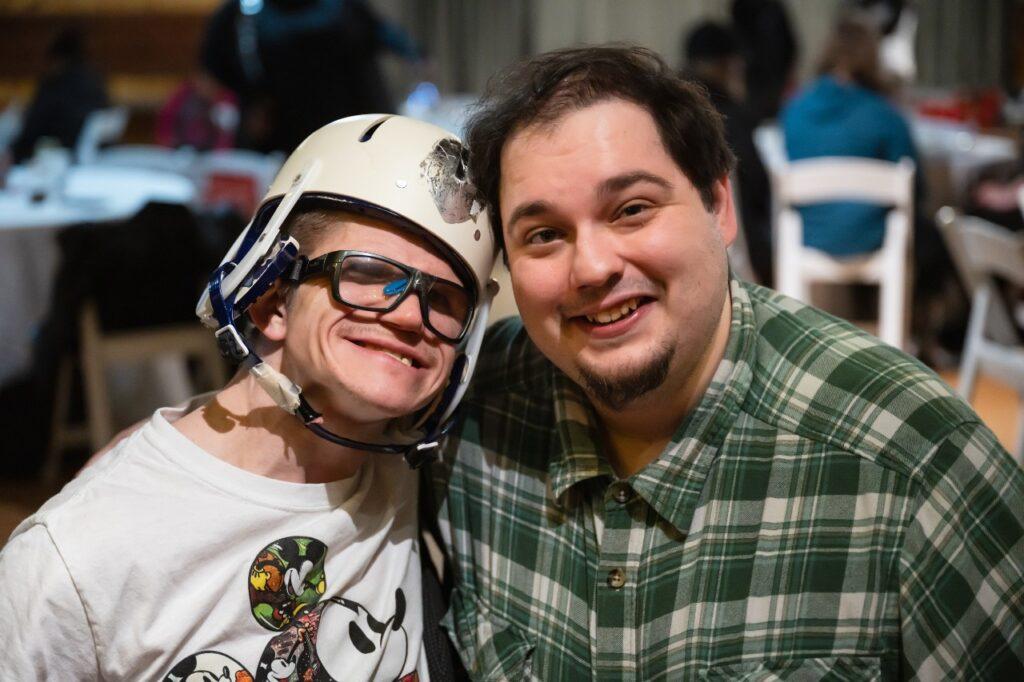
At ALSO, Behavior Support Services are designed to help people with intellectual and developmental disabilities (I/DD) throughout Oregon live with greater stability, connection, and confidence in their daily lives. Whether someone is navigating communication, stress, sensory experiences, or changes in routine, our team works alongside them to understand what is meaningful and build strategies that support their goals.
Using Positive Behavior Support (PBS), we focus on proactive, skill-building approaches that reduce barriers and create more opportunities for choice, connection, and community participation for people with I/DD.
Our work is grounded in respect, dignity, and the belief that every person deserves a life filled with purpose and belonging.
Behavior support professionals at ALSO develop Positive Behavior Supports using a combination of assessment, observation, interviews and rapport building to form a deep understanding of each individual’s experiences and environment and meanings behind their behaviors.
Support services may include the development of one of more of the following:
Our behavior support advocates are trained to implement these supports with compassion and consistency, helping create environments where people can feel safe, understood, and supported.
Every person experiences the world differently, which is why Behavior Support should never be one-size-fits-all. We take the time to understand each person's strengths, preferences, relationships, and goals so support reflects who they are, not just the challenges they're facing.
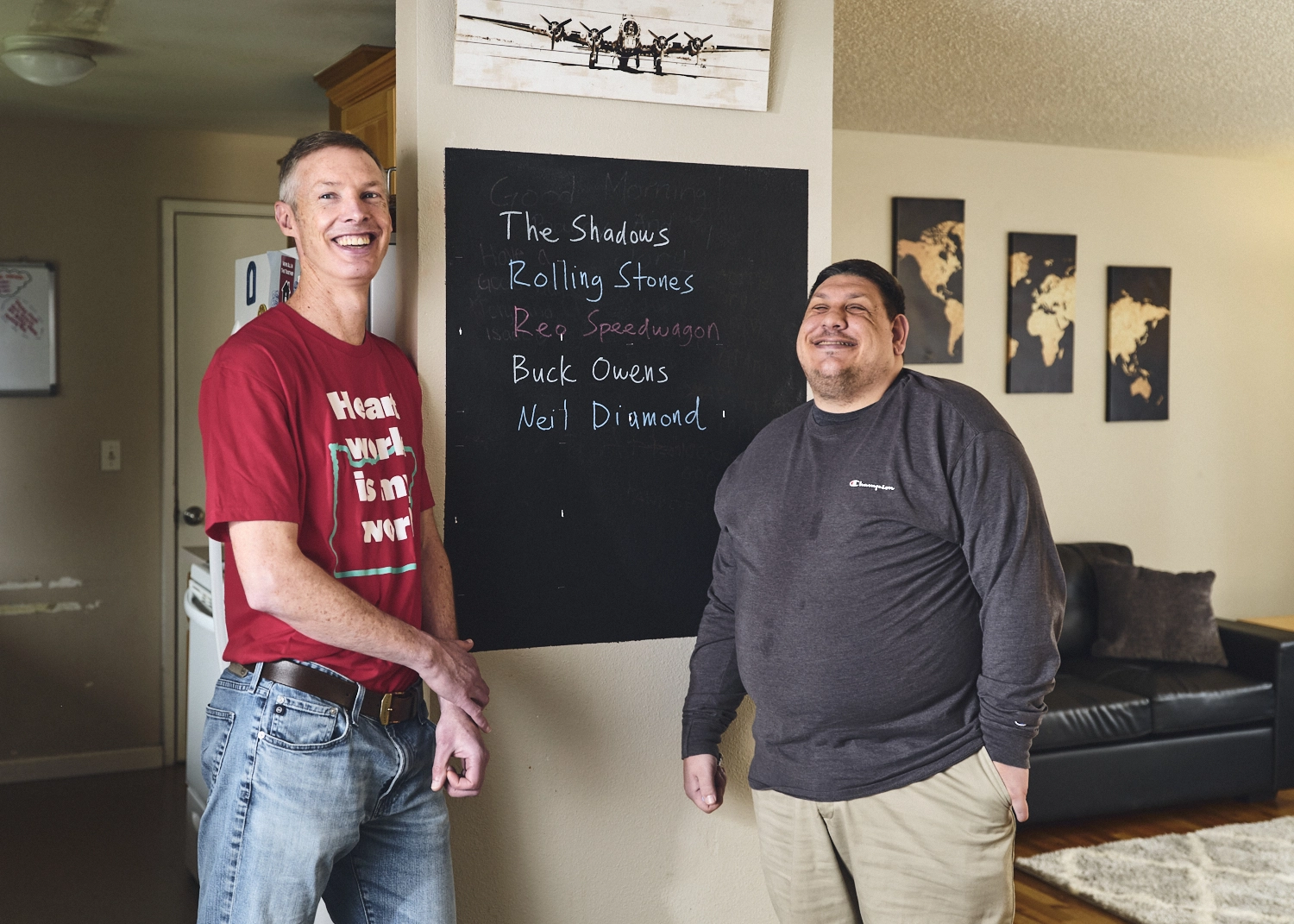
We believe every person has the right to make choices about their life and be heard in the process. Person-centered Behavior Support at ALSO is built through collaboration with:
Whether the goal is building new routines, navigating change, or finding new ways to communicate needs, we walk alongside each person with consistency, curiosity, and care.
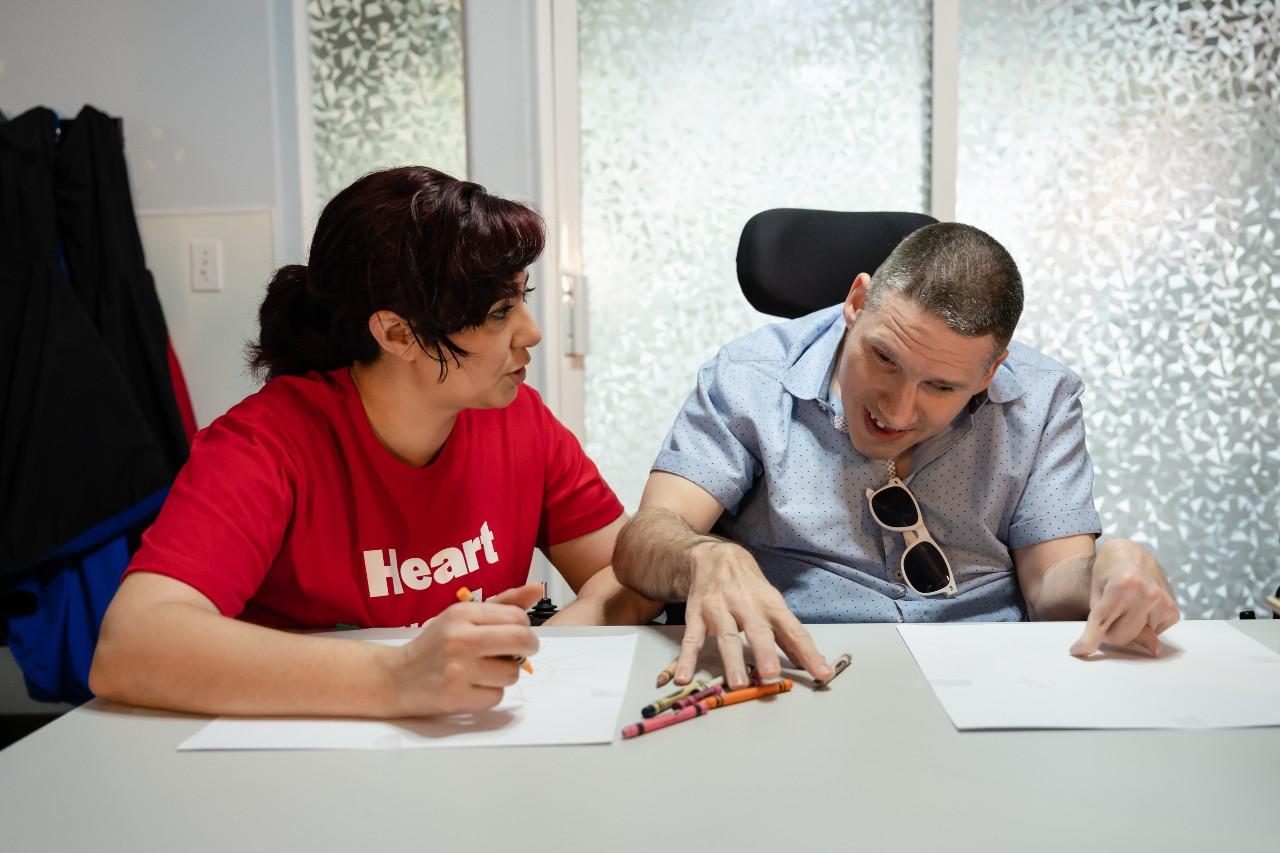
When support is personalized and consistent, meaningful changes can happen. People often experience:
ALSO’s Behavior Support Services are designed for people with intellectual and developmental disabilities (I/DD) who may benefit from additional support around communication, routine, stress, or navigating daily life.
Contact your county’s Community Developmental Disabilities Program to confirm eligibility and discuss service options. They can guide you through the process and explain any exceptions for waivers or special programs
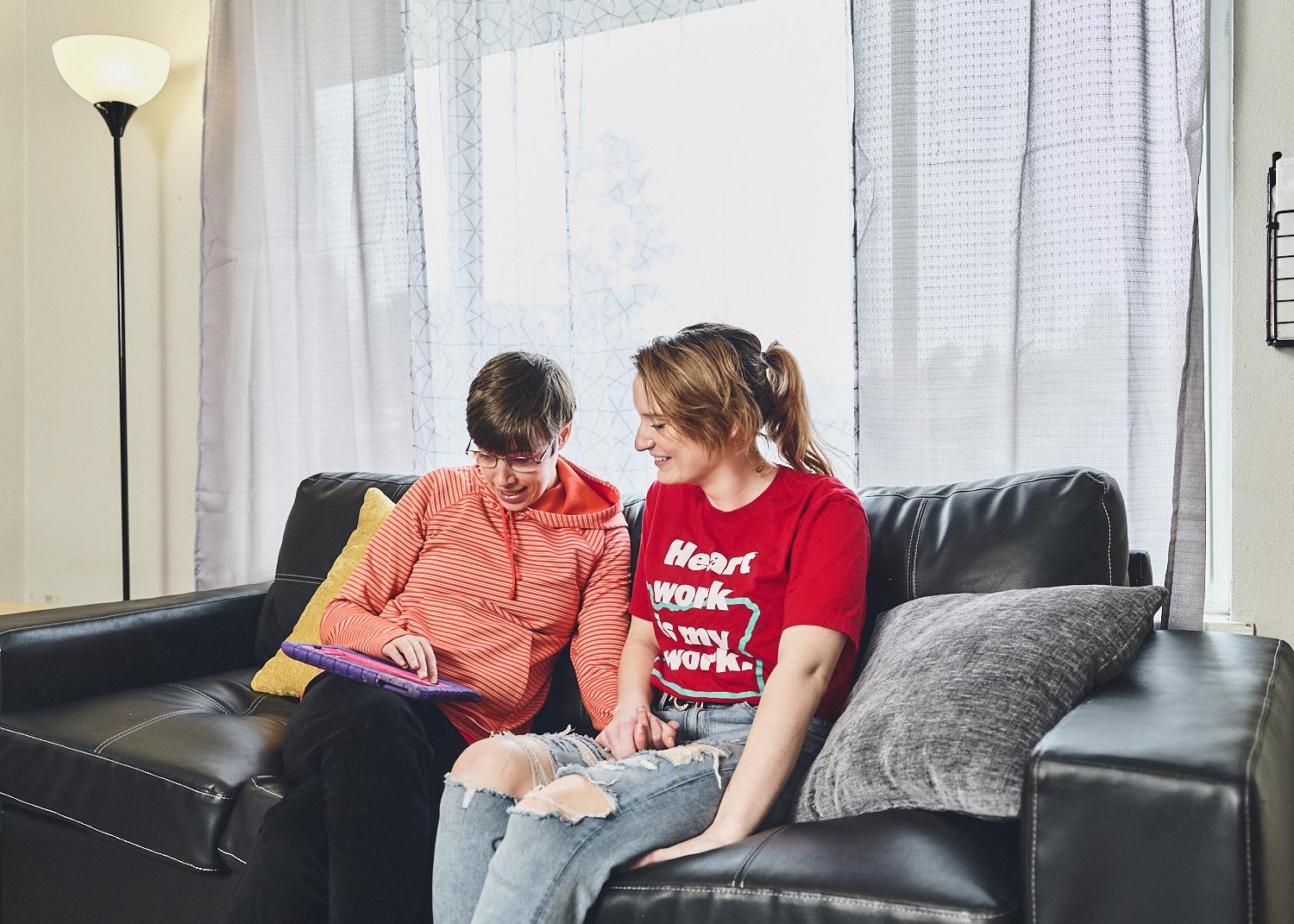
Positive Behavior Support (PBS) is a proactive, person-centered approach to understanding and addressing behavior. Rather than focusing on consequences, PBS identifies the reasons behind a behavior and builds skills, environments, and strategies that reduce barriers and improve quality of life, especially for people with intellectual and developmental disabilities (I/DD).
A Functional Behavior Assessment (FBA) is a process used to understand what a behavior is communicating and is the framework for a positive behavior support plan (PBSP). It looks at patterns, triggers, and environment to identify the underlying need, so effective and compassionate support strategies can be developed. After an FBA is developed, the behavior professional will make recommendations if a PBSP is indicated or not. This process typically takes about 90 days but length of assessment may extend that timeline depending on individual needs and availability.
A Positive Behavior Support Plan (PBSP) is a personalized document developed by a behavior support professional that outlines proactive strategies for supporting someone before, during, and after moments of distress. It is created in collaboration with the person, their family, and their support team.
A Temporary Emergency Safety Plan (TESP) is a short-term strategy used to create safety and stability during transitions or urgent situations, while an FBA is being developed.
ALSO’s Behavior Support Services are designed for people with intellectual and developmental disabilities (I/DD) who are enrolled in services and may benefit from additional support around communication, routine, stress, or navigating daily life.

Flexible, person-centered support for adults with I/DD living independently in their own homes or communities.
24-hour, staffed support in a shared home for adults who need a higher level of structure.
Targeted support delivered in an individual's existing home, focused on skills and daily tasks.
Helping adults with I/DD find and keep meaningful jobs across Oregon.
Residential and in-home support for children with developmental disabilities and their families.
Aids in locating and maintaining safe, stable housing that promotes independence and stability.
 Email:
 Office: