Want to learn more about ALSO? Sign up for our virtual tour.

Want to learn more about ALSO? Sign up for our virtual tour.

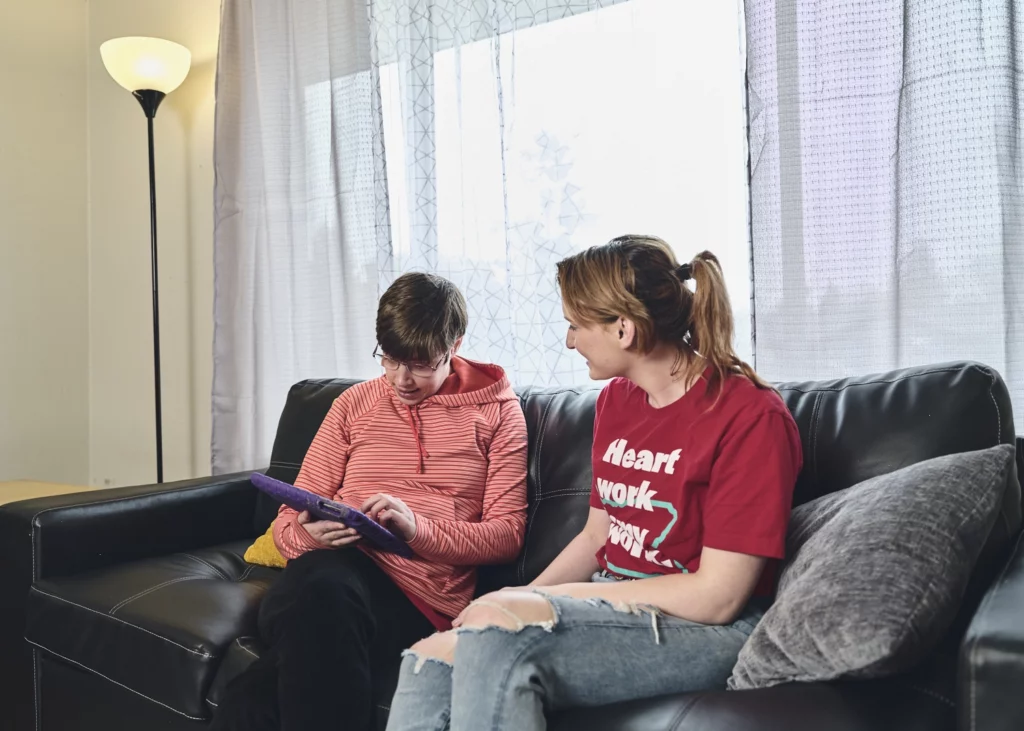
How would you react if you were at the public library and a student in the visiting school group was running up and down the aisles, randomly pulling books off of the shelves and yelling at other patrons to move out of the way?
You might be initially annoyed by what looks like ‘aggressive’ or ‘noncompliant’ behavior, attributing it to parents who let kids get away with way too much these days.
But what if what you see isn’t really what’s going on? What if it’s anxiety, not behavior?
ALSO of Oregon helps individuals with intellectual and developmental disabilities (I/DD) identify and manage anxiety with proven strategies, person-centered care, and tailored plans that prevent anxious feelings from interfering with goals, aspirations, and daily life.
Evidence supports the urgent need to help persons with I/DD in decreasing anxiety. According to Psychiatric News Alert, people with I/DD are 10 times more likely than those in the general population without I/DD to report feelings of anxiety.
Anxiety is often confused with what has been called, ‘bad’ or ‘inappropriate’ behavior. We see an individual yelling or throwing a tantrum at the grocery store, and we think, ‘she just wants to be mean’ or is angry that her parent isn’t buying her favorite cereal.
Particularly if that child has some form of I/DD — the truth could be completely different. The behavior is often the result of underlying anxiety. In many cases, anxiety comes before the behavior.
For example, the child may have been
Because anxiety often looks different in people with I/DD, it’s frequently missed, misunderstood, or misdiagnosed. A greater understanding of how anxiety manifests will help caregivers, family members and others more successfully address this very important need.
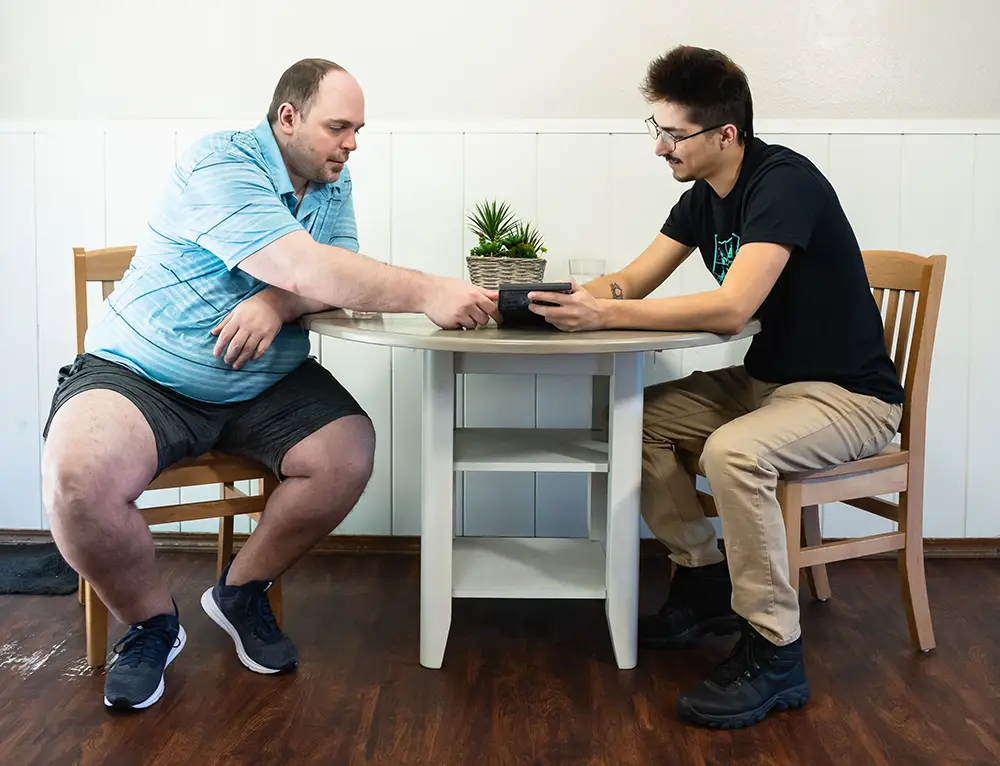
Anxiety in people with I/DD can slip under the radar for several reasons.
Research on children with intellectual disability indicates that as much as 50% of these children experience mental health challenges, with anxiety and depression as the most common conditions.
At ALSO, we are well-trained in noticing the early signs of anxiety in those we support. This allows us to address problems before medical issues intensify or behavioral crises occur.
So, what does missed anxiety actually look like?
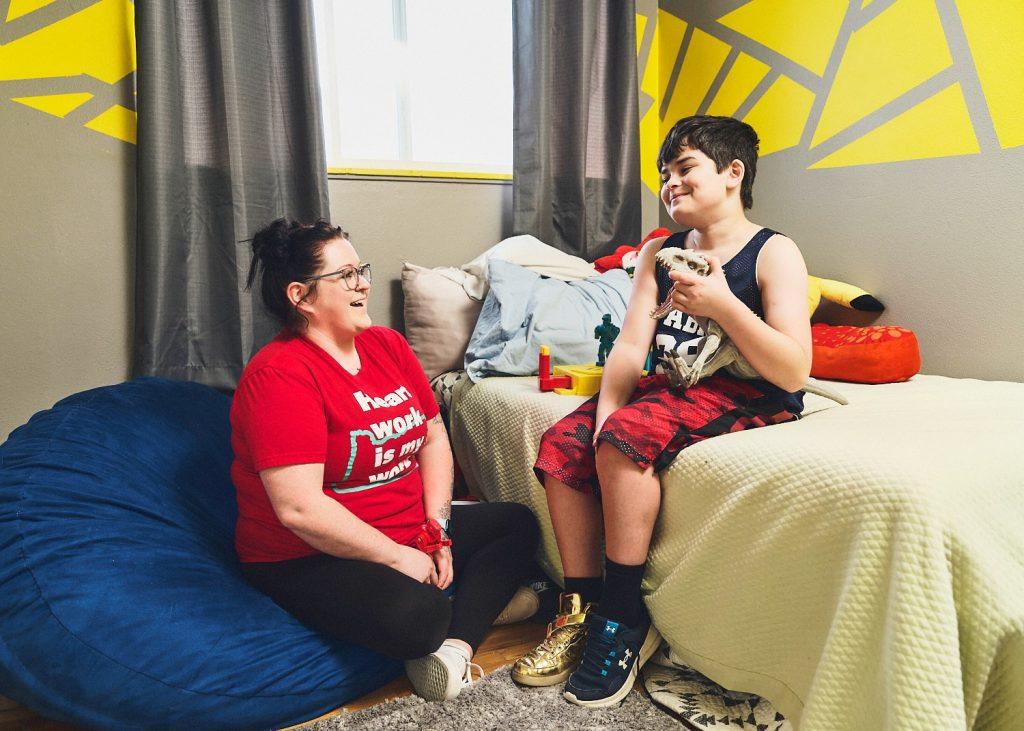
Several ‘yellow flags’ could indicate that anxiety is interfering with person-centered goals, health and wellness, and quality of life.
Expressions of anxiety (rocking, repetitive sounds) may intensify in certain situations. Someone with autism spectrum disorder, for example, may become overwhelmed by crowds, or a group sports activity.
These actions are often incorrectly labeled as ‘behavior issues’ rather than triggers.
If someone with I/DD becomes distressed or more rigid with even small changes in the environment, they may be experiencing anxiety. For many individuals whose past has been horribly unpredictable, rigidity is a coping mechanism, and an attempt to assert control.
Headaches, fatigue, stomach aches, and other physical complaints are especially relevant for those with limited verbal communication. Oftentimes, it’s the only way to say, “I need help! I’m stressed!”
*Even though aches and pains may be rooted in anxiety, it’s still important to rule out any medical cause.
When individuals pull away from experiences they previously enjoyed, anxiety may be the culprit. The individual may withdraw from friends, or turn down favorite outings.
Loss of interest may also be a sign of depression, and admittedly, the two conditions may overlap. A major difference is that anxiety puts the person on high alert and is more fear-based. Depression, on the other hand, is reflective of a sense of hopelessness or sadness.
Unchecked anxiety wreaks havoc on sleep patterns, making it extremely difficult to function effectively throughout the day. Caregivers are likely to notice increased irritability and/or fatigue.
Persons with I/DD experiencing anxiety may exhibit repetitive movements, such as pacing or rocking. A frequent behavior of those with autism is called ‘scripting’, which is repeating phrases or expressions.
It’s important to understand the purpose of repetitive or self-stimulating behavior. What is it doing for the person? These are not just random ‘behaviors,’ but methods of self-soothing.
Meltdowns and outbursts seemingly come out of nowhere, with no obvious cause. In actuality, they occur as hidden anxiety builds and eventually reaches a breaking point. If anxiety had been noticed earlier, the behavioral crisis might never have occurred.

Anxiety is extremely common, even in the general population. About 19.1% of US adults (40 million people) experience anxiety annually.
Recognition of anxiety in the DD population is unfortunately lower (even though the risk can be equal or greater). When anxiety is misinterpreted or misdiagnosed, various negative outcomes can result, such as:
What can we do to increase our understanding of anxiety and its causes? First, there are several important questions we can ask ourselves:
It’s always beneficial to compare observations with others (healthcare providers, teachers, direct care staff).

Reducing anxiety often requires a shift in perspective: move away from trying to “fix behavior” and focus instead on understanding the person’s experience.
This includes:
To create lasting results, caregivers should use a person-centered approach that reflects the individual’s unique needs, preferences, and communication style. Because of a much higher incidence of trauma experienced by people with I/DD, trauma-informed care is essential.
Check out these 5 tips on how to address anxiety.
There are often patterns to anxious behaviors. Observers should key in on the When, What, and Why.
Rather than trying to stop the behavior, focus on what the individual is trying to communicate.
Consistent routines that include visual supports (calendars, clocks, color-coding) are very helpful for minimizing anxiety.
Environmental changes are particularly beneficial for persons with neurodivergence or other neurological impairments. Adjust noise levels and lighting to reduce overwhelm.
Transitions, such as starting the new school year, meeting a new caseworker, or even holiday visits to the family home can intensify anxiety for anyone. Anxiety is usually minimized when there is slow and steady preparation with communication and clear expectations.
Anyone living with anxiety benefits from learning individualized coping strategies that they can access at any time. Coping strategies can be practiced during calm periods.
Examples are:
Caregivers should help individuals identify what causes their anxiety. This knowledge empowers them to manage their own symptoms.
Anxiety isn’t intentional misbehavior. Therefore, all efforts should be made to avoid punitive responses (isolation, denial of privileges).
An early response to signs of anxiety can head off behavioral crises. This is where the excellent observational skills of direct support professionals (DSPs) come into play. DSPs can apply needed supports and interventions as preventive measures.
Sharing insights and resources with others is necessary to get the whole picture of what’s happening when we see anxiety in those we support. For example:
When possible, family support to assure consistency is a major aspect of holistic anxiety management strategies.
At ALSO of Oregon, we understand that anxiety can look very different from one person to another, especially in people with I/DD. That is why it is so important to look beyond labels such as “aggressive” or “non-compliant” and consider what may be happening beneath the surface.
When anxiety is recognized and understood, caregivers and support teams can respond with meaningful strategies that improve quality of life, reduce stress, and build confidence. When we see behavior more clearly, it often begins to make sense.
Click here to learn more about ALSO of Oregon and our person-centered support services.

Sign up for our newsletter to get our latest news, content, and job opportunities.
Help us ensure that everyone has the same opportunities in their home, workplace and community. Let’s make dreams!