Want to learn more about ALSO? Sign up for our virtual tour.

Want to learn more about ALSO? Sign up for our virtual tour.


Our discussion about inclusive and affordable housing for people with intellectual and developmental disabilities (I/DD) begins with an undeniable fact.
Housing is more than just shelter — it’s the foundation for independence, dignity, and belonging.
It doesn’t matter how small and simple our home is, or even whether we rent or own. The place we call, ‘home sweet home’ is an integral part of our identity. It’s proof (to ourselves and others) that we have a solid place in our communities.
Unfortunately, people with I/DD struggle with a huge gap between this basic need and the harsh reality of limited, affordable, and accessible housing.
A report commissioned by the Kuni Foundation estimates that at least 24,000 persons with I/DD in the Oregon, Southwest Washington region are experiencing housing insecurity and hundreds more are homeless.
ALSO is addressing this trend by expanding housing options for those with disabilities. We’ve been working with several community partners to establish affordable housing options for those with I/DD. One of these projects is called “The Montage”. It’s a hopeful example of what’s possible.
Read on to learn more!
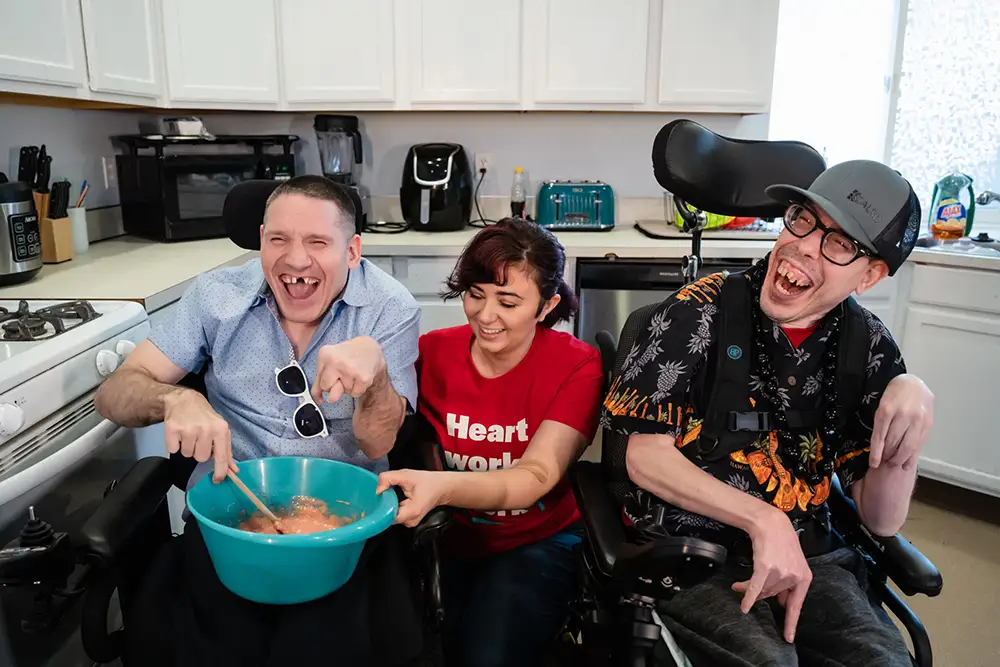
A major injustice is that, even though many with I/DD have the ability to live independently with in-home supports, limited monetary benefits still prevent housing affordability. They often end up segregated in foster homes or other congregate living environments without any alternative options.
Many end up living in the family home with the support of caregivers. Major problems arise as those caregivers age and become less financially or physically able to provide appropriate care. Without that family support, individuals must turn to group homes, foster care, or some form of institutionalized living.
Without housing, basic rights and choices are taken away. For example:
These deflating environments cause segregation, interfere with self-determination, and can even decrease abilities in normal self-care.
A major question is often: How did we get into this situation? Several system issues have occurred nationwide.
Affordability and Income Limits: Persons with I/DD are under considerable financial strain. They depend on fixed incomes. Supplemental Security Income (SSI) averages only $943.00 per month. This is not enough to pay for the rising cost of housing.
Limited Accessible and Available Housing: Housing costs have been skyrocketing. Due to this tough market, the motivation to make homes accessible has decreased. Long waitlists and high demand interfere with meeting these pressing needs.
Lack of Supportive Infrastructure: Most individuals need some kind of support to reap the benefits of inclusive community living. Housing without services is often insufficient.
These barriers to independence have caused isolation and lack of belonging in the wider community. It creates the potential for further institutionalization rather than supporting individuals in their ability to contribute to society, essentially hurting all of us.
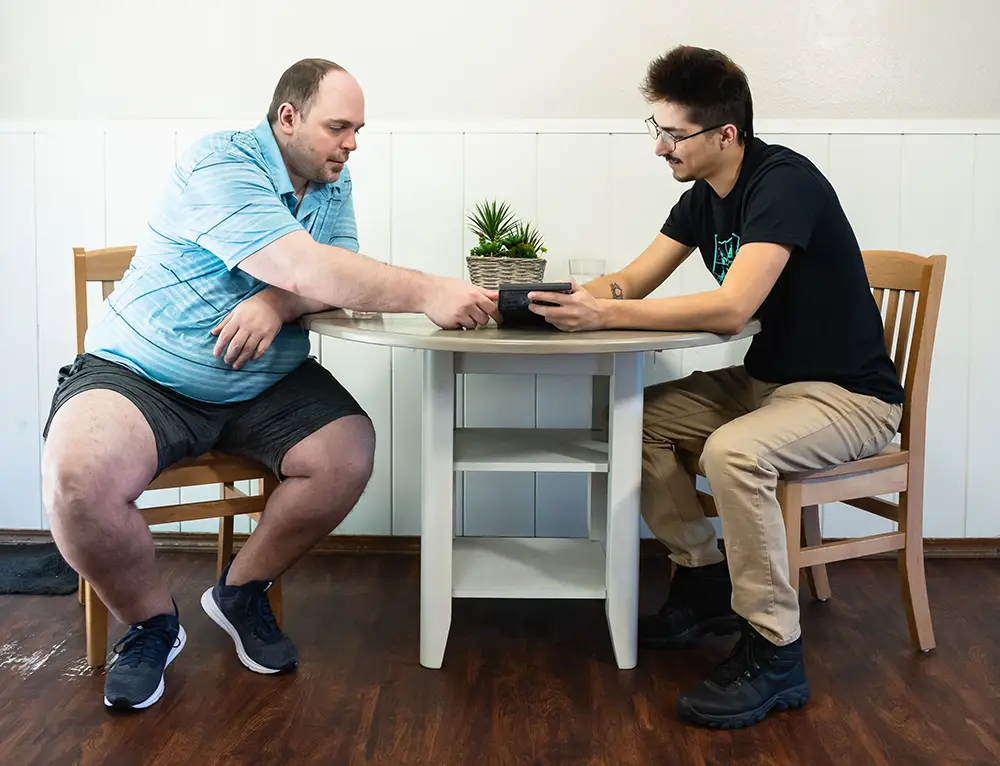
The benefits of a real home are extensive:
Therefore, we need to work together to create better housing opportunities for those with I/DD.
Since its beginning, ALSO has been firmly committed to inclusion and independence. Our Mission is “To promote the full inclusion of people experiencing disabilities in the life of their community.”
A fully-integrated housing model is key to our Mission. This means that housing must be affordable and accessible. In addition, supportive services must be included in the infrastructure.
Key features of the integrated housing model are:
If done in a collaborative and equitable manner, the positive impact leads to greater independence along with stronger and more inclusive communities.
One of ALSO’s recent home initiatives is The Montage Apartments, scheduled to open in 2027. The Montage is not simply another low-income apartment complex, but community integration at its best.
ALSO has been passionately dedicated to community inclusion and integration for almost 30 years. During that time, we’ve listened carefully to those we support. As a result, we’ve become highly skilled in turning desires and goals into realities.
We’re extremely proud to help others live life to their fullest potential in neighborly, caring, and welcoming communities.
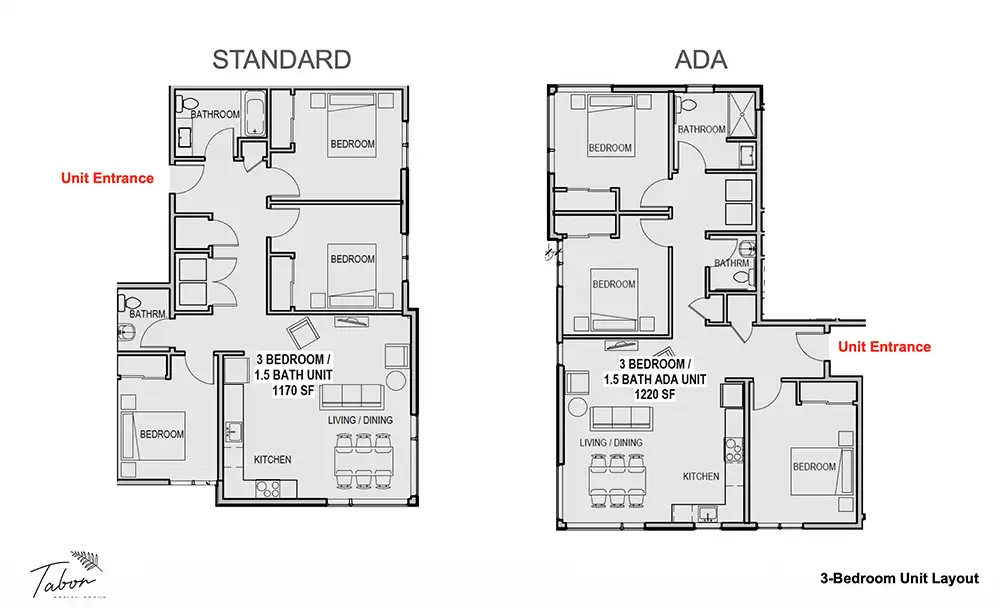
Montage is a 39-unit apartment complex located in Gresham, Oregon. These accessible living spaces will offer 1, 2, and 3-bedroom units. 10 units will be reserved for people with I/DD.
ALSO has partnered with HomeFirst and GreenLight Development, bringing best practices in inclusionary housing to life. This is resulting in living spaces that provide a sense of belonging, dignity, and community vibrancy that has escaped our less-appreciated Oregon residents for far too long:
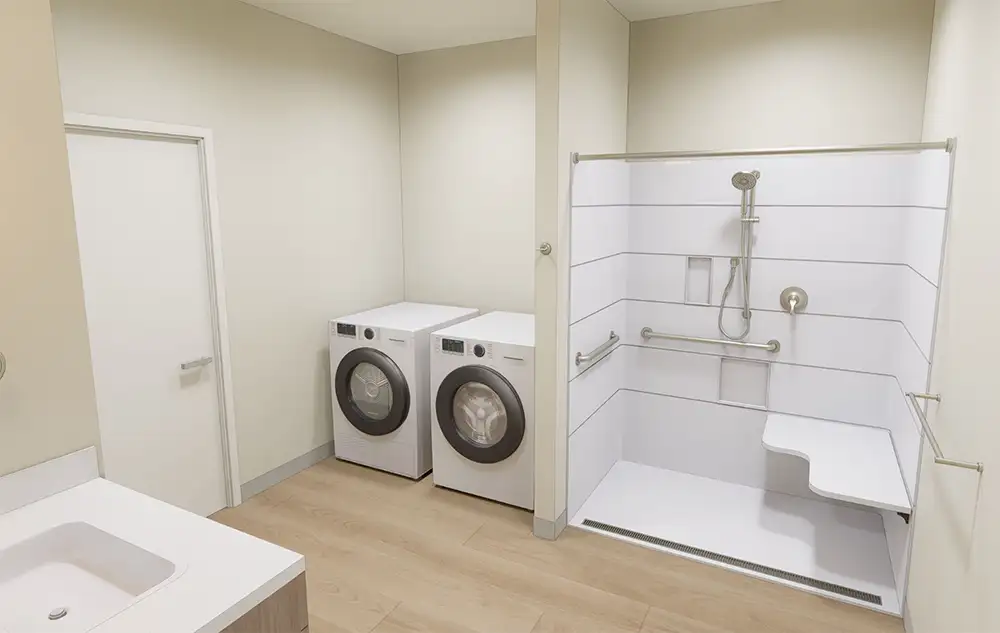
The entirety of The Montage is constructed based on universal design concepts. The term ‘universal design’ was coined by Ron Mace, an architect and designer who had physical disabilities:
“Universal design is design that is usable by all people, to the greatest extent possible, without the need for adaptation or specialized design.”
Mr. Mace’s concepts had a major influence on improving the accessibility of almost all aspects of community living, working and recreation. Universal design is incorporated throughout, including:
Universal design makes living spaces accessible for a wide range of ability levels, yet still adds flexibility when skill levels change. It creates a welcoming and comfortable environment for people with a variety of life experiences, breaking down barriers to independent living.
Each of the 39 apartments falls within Oregon low-income housing guidelines. 38 units will be available for those falling within 60% of the median family income. One unit will be available at 50% of the median family income.
Additionally, residents normally supported by ALSO receive on-site community-based services that help them thrive. For example:
Learn more: The Impact of Inclusive Housing and Community Integration.
Residents normally supported by ALSO receive on-site community-based services that help them thrive. For example:
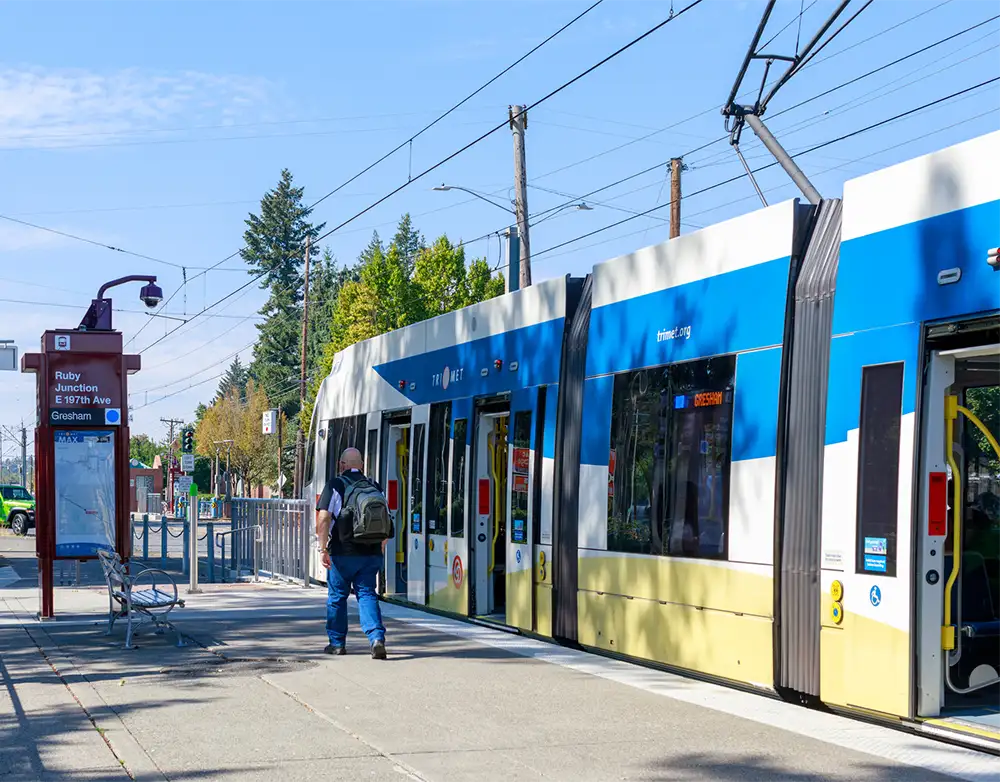
A major advantage of community-based services is the opportunity to ensure that learned skills are applicable to daily life. Life in and around The Montage is perfect for immersion into society while still maintaining a supportive environment.
Integrated community resources include:
The Montage addresses Oregon’s critical housing shortage. It benefits people with low incomes, as well as those who are living with a developmental or intellectual disability.
The success of this innovative and collaborative affordable housing development serves as a model for future community integration endeavors.
The result is an environment of community belonging that identifies our society as caring and compassionate. The Montage represents the ALSO Vision in action, as it was meant to be since 1997. A future in which:
The Montage represents a strong step towards systemic changes that make our communities stronger, vibrant, and more compassionate places to live, play, and work. This is what ALSO has been working for, and we will continue to pursue this goal.
ALSO will be taking applications soon for The Montage, and we invite everyone to learn more about this exciting step towards community inclusion, equity, and true belonging for all. Please email Jackie Armbruster at jackieb@alsoweb.org for information.
Because we all have a role to play, readers are strongly encouraged to make a donation if they can. This will greatly help in expanding our services.
Deep down, we all know that housing is essential to human dignity as well as opportunity. This is what we want for ourselves, isn’t it?
“We, the ones who are challenged, need to be heard. To be seen not as a disability, but as a person who has, and will continue to bloom. To be seen not only as a handicap, but as a well intact human being.” —Robert M. Hensel
Let’s bloom together, one home at a time.
Sign up for our newsletter to get our latest news, content, and job opportunities.
Help us ensure that everyone has the same opportunities in their home, workplace and community. Let’s make dreams!